
🌿 When and How to Apply Urea Fertilizer for Best Results
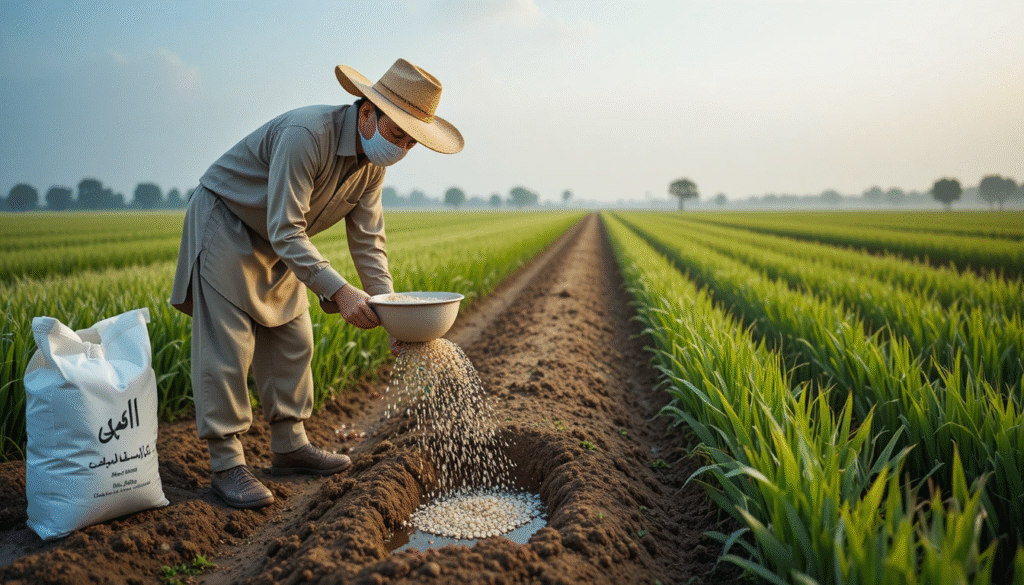
When and How to Apply Urea Fertilizer for Best Results | Fazal Agri Mall
For every Pakistani farmer, achieving a healthy and high-yielding crop is the ultimate goal. Among the many fertilizers available today, urea fertilizer remains one of the most trusted choices. It’s affordable, widely available, and gives a noticeable boost to plant growth when used correctly.
But here’s the truth: using urea the wrong way can do more harm than good. To help you make the most of your hard work, let’s understand when and how to apply urea fertilizer for the best results in your fields.
🌾 What is Urea Fertilizer?
Urea is a nitrogen-rich fertilizer (about 46% nitrogen) that helps plants grow strong and green. Nitrogen is the main nutrient that supports leaf development and overall plant growth. Without enough nitrogen, crops turn pale and weak — something no farmer wants to see.
That’s why urea has become a key part of farming in Pakistan, especially for major crops like wheat, rice, maize, sugarcane, and cotton.
⏰ When to Apply Urea Fertilizer
Timing is everything. The best results come when urea is applied at the right stage of crop growth and under favorable weather conditions.
Here’s a general guideline for Pakistani farmers:
- Before Sowing (Basal Dose):
- Mix a small quantity of urea into the soil before planting to give the crop an early boost.
- This helps prepare the soil with essential nitrogen.
- During Vegetative Growth (Top Dressing):
- The main dose of urea should be applied 15–30 days after sowing, depending on the crop.
- This is when plants grow leaves rapidly and need the most nitrogen.
- Avoid Applying Before Rain or Watering:
- Always apply urea just before irrigation or immediately after rain.
- If you apply it to dry soil or under strong sun, most nitrogen will evaporate and be wasted.
- Crop-Specific Timing Examples:
- Wheat: Apply half the urea dose at sowing and the rest before the second irrigation.
- Rice: Apply after transplanting, followed by water flooding to lock in nitrogen.
- Maize and Cotton: Apply in 2–3 splits during active growth stages.
🌿 How to Apply Urea Fertilizer Correctly
Applying urea may sound simple, but small mistakes can reduce its effectiveness. Follow these steps for best results:
- Mix It Well with Soil:
- Don’t leave urea scattered on the surface — it can evaporate quickly.
- Either mix it lightly with the top layer of soil or apply it before irrigation.
- Use the Right Quantity:
- Every crop has a different nitrogen need.
- Overuse can burn plants or harm soil health. Always follow recommended rates or consult an expert at Fazal Agri Mall for guidance.
- Avoid Windy Days:
- Wind can blow away urea granules and reduce efficiency. Apply on calm days for even coverage.
- Combine with Other Fertilizers:
- For best soil balance, combine urea with DAP or micronutrient fertilizers.
- This provides a full nutrient profile — nitrogen, phosphorus, and essential minerals.
🌻 Expert Tip: Reduce Loss and Boost Efficiency
To prevent nitrogen loss, many farmers in Pakistan are now using coated urea (like neem-coated urea). It releases nitrogen slowly, allowing plants to absorb it over time — resulting in better growth and less wastage.
💬 Final Thoughts
Urea fertilizer is one of the strongest tools a farmer can use — but like every tool, it works best when handled wisely. Apply it at the right time, in the right amount, and under the right conditions.
At Fazal Agri Mall, we provide high-quality urea and expert advice to help you achieve better yields and healthier crops. Whether you’re growing wheat in Punjab, rice in Sindh, or vegetables at home, we’re here to guide you every step of the way. 🌾✨



No Comments