
🌿 Complete Guide: How to Use Organic Fertilizers for Maximum Yield
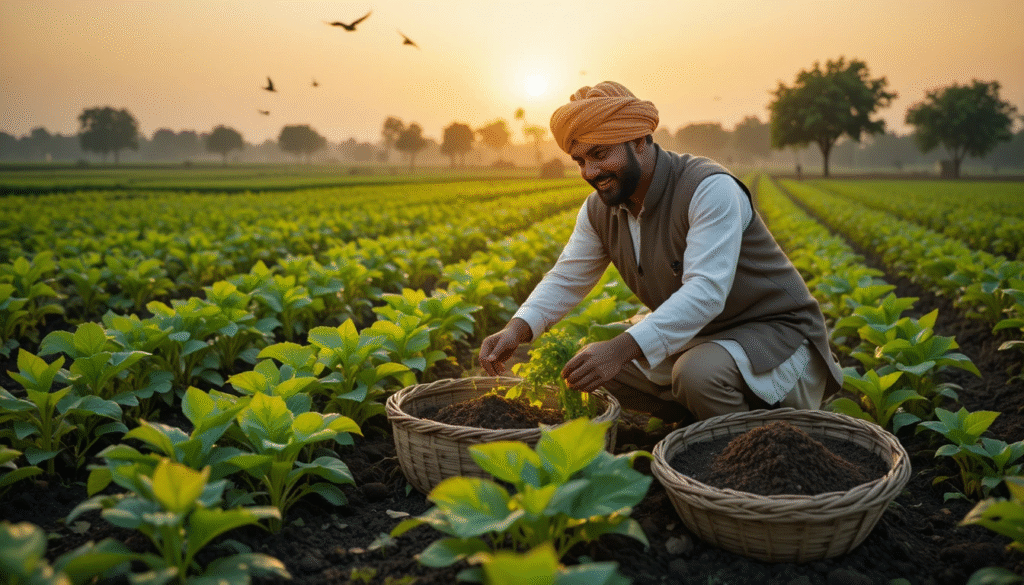
Complete Guide: How to Use Organic Fertilizers for Maximum Yield
Farming is not just about growing crops — it’s about nurturing life. Every Pakistani farmer knows that good soil is the heart of a healthy harvest. And when it comes to keeping your soil alive and productive, organic fertilizers are nature’s gift.
At Fazal Agri Mall, we believe in smart, sustainable farming. That’s why we’ve created this complete guide to help you understand how to use organic fertilizers for maximum yield — whether you’re a large-scale farmer or a home gardener.
🌱 What Are Organic Fertilizers?
Organic fertilizers are natural plant and animal-based materials that enrich the soil with essential nutrients. Unlike chemical fertilizers, they don’t just feed the plants — they improve soil health over time.
Some common types include:
- Compost – Made from decomposed organic matter like leaves and food waste.
- Manure – Cow dung, poultry litter, and other natural waste materials.
- Bone Meal & Fish Emulsion – Rich in nitrogen and phosphorus.
- Vermicompost – Produced by earthworms, great for vegetables and flowers.
These fertilizers slowly release nutrients, helping plants grow stronger, greener, and more resilient.
🌾 Why Choose Organic Fertilizers in Pakistan?
With growing soil degradation and declining fertility, Pakistani farmers are shifting toward organic solutions. Here’s why:
- 🌿 Improves Soil Structure: Organic matter increases soil aeration and moisture retention.
- 🌻 Boosts Long-Term Yield: Healthier soil means better productivity year after year.
- 🐝 Eco-Friendly: No harmful chemicals — safe for you, your family, and the environment.
- 🍅 Better Crop Quality: Fruits and vegetables grown organically taste fresher and are more nutritious.
At Fazal Agri Mall, we offer a wide range of organic fertilizers tailored to Pakistan’s farming conditions — for cotton, wheat, vegetables, fruits, and home gardens.
💧 How to Use Organic Fertilizers for Best Results
Getting the best yield from organic fertilizers is all about timing, quantity, and application method.
1. Know Your Soil First
Before adding anything, understand what your soil needs. You can get a simple soil test done to find out nutrient deficiencies. For example, some soils may lack nitrogen, while others need more potassium or micronutrients.
2. Apply at the Right Time
- For field crops, apply organic fertilizers before sowing and during early growth stages.
- For vegetables and home gardens, mix compost or manure into the soil 2–3 weeks before planting.
Timing ensures the nutrients are available when the plants need them most.
3. Use the Right Amount
Avoid overuse — too much organic matter can cause slow drainage or excess salts. Generally, 2–3 tons per acre of well-decomposed organic fertilizer is ideal for field crops. For kitchen gardens, a few handfuls per plant is enough.
4. Mix and Water Well
Organic fertilizers work best when mixed well with soil and lightly watered. Moisture activates microorganisms that help release nutrients slowly and steadily.
5. Combine with Mulching
Covering the soil with straw or leaves after applying fertilizer keeps moisture in and prevents nutrient loss — especially in hot regions of Pakistan.
🌾 Bonus Tip: Blend Organic and Modern Farming
Many progressive farmers in Pakistan now use a balanced approach — combining organic fertilizers with small doses of modern fertilizers. This hybrid method boosts yield while maintaining long-term soil health.
🌿 Fazal Agri Mall – Your Partner in Organic Growth
At Fazal Agri Mall, we’re proud to support Pakistani farmers who care about sustainable farming. Our organic fertilizers are:
- 100% natural and tested for purity
- Suitable for all major crops
- Available online across Pakistan
Visit our store today and discover how you can grow healthier crops, richer soil, and a greener tomorrow. 🌾💚


No Comments