
🌾 How to Identify Fungal Attacks and Choose the Right Fungicide
How to Identify Fungal Attacks and Choose the Right Fungicide
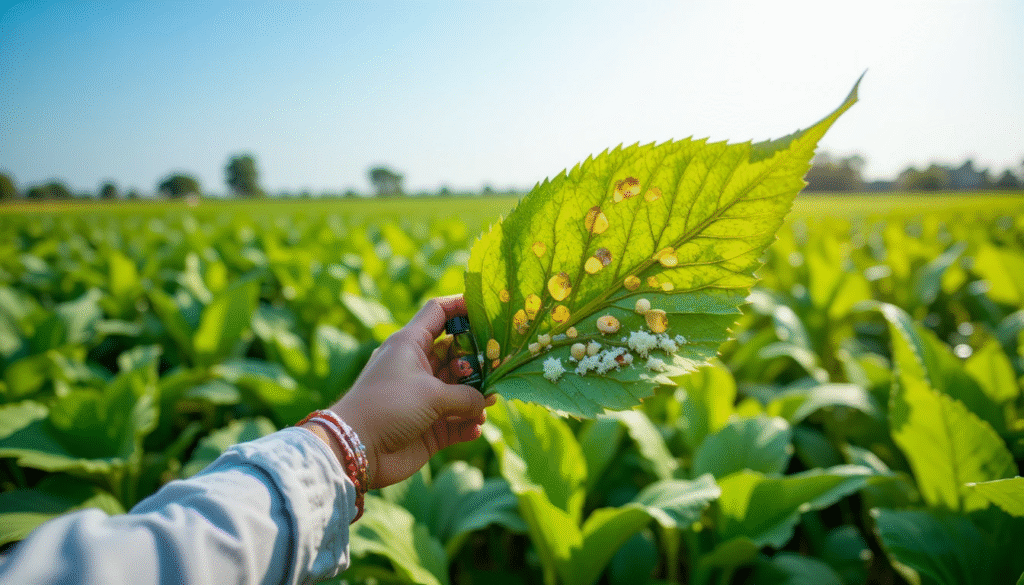
Farming in Pakistan is more than just planting and harvesting — it’s a year-round commitment to nurturing life. But one invisible enemy can quietly destroy all that hard work — fungal attacks. From wheat and rice to vegetables and fruits, fungal diseases can quickly spread across fields, reducing both yield and quality.
The good news? You can fight back effectively — if you know how to identify fungal attacks early and choose the right fungicide for your crops.
🍂 What Are Fungal Attacks on Crops?
Fungal attacks happen when microscopic fungi infect plants, often due to high humidity, poor ventilation, or excess moisture. These fungi spread through spores carried by wind, water, or even farming tools.
Common fungal diseases in Pakistan include:
- Rust – Common in wheat, appearing as orange or brown spots on leaves.
- Powdery Mildew – White powdery patches on leaves and stems, especially in vegetables.
- Blight – Brown or black patches that spread quickly, destroying leaves and fruit.
- Downy Mildew – Yellow patches on the top of leaves with grey mold underneath.
- Anthracnose – Dark sunken lesions on fruits and stems, common in mangoes and beans.
If left untreated, these diseases can destroy entire harvests — causing huge losses for farmers.
🔍 How to Identify Fungal Attacks Early
Early identification is key. The sooner you act, the more you can save your crops. Here’s what to watch for:
- Spots or Patches on Leaves: Look for unusual yellow, brown, or black spots that spread over time.
- White or Grey Powder: A common sign of powdery mildew — usually on upper leaf surfaces.
- Leaf Curling or Wilting: Fungi block water movement, making leaves droop or curl.
- Moldy Growth on Stems or Fruits: Indicates a serious infection that needs immediate treatment.
- Reduced Growth or Yield: Plants infected by fungi often stop growing or produce smaller fruits.
If you notice any of these symptoms, don’t delay — early spraying can save your entire crop.
💧 Choosing the Right Fungicide
Not all fungicides are the same. Each type targets specific fungal diseases and works in different ways. Choosing the right one can make all the difference.
Here are the main types of fungicides farmers in Pakistan use:
1. Contact Fungicides
These stay on the surface of the plant and kill fungal spores before they infect.
👉 Best for preventive spraying.
Examples: Mancozeb, Chlorothalonil.
2. Systemic Fungicides
These are absorbed into the plant and fight the fungus from inside.
👉 Best for treating existing infections.
Examples: Triazoles, Propiconazole.
3. Translaminar Fungicides
They move from one side of the leaf to the other, offering balanced protection.
👉 Useful for dense crops and vegetables.
4. Biological Fungicides
Made from natural ingredients or beneficial microbes.
👉 Ideal for organic or environmentally friendly farming.
At Fazal Agri Mall, we provide all types of fungicides — both chemical and bio — from trusted agricultural brands. Our experts can help you pick the perfect product for your crop and problem.
⚠️ Tips for Safe and Effective Fungicide Use
To get the best results, remember these golden rules:
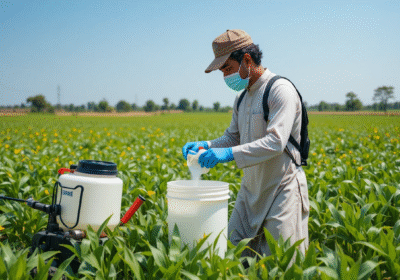
- Always read the label and follow the dosage instructions.
- Spray early in the morning or evening to avoid heat and evaporation.
- Use clean water and properly maintained spray machinery.
- Rotate fungicides with different chemical groups to prevent resistance.
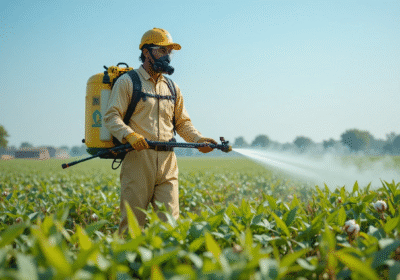
- Wear protective clothing, gloves, and mask while spraying.
🌱 Fazal Agri Mall – Your Crop Protection Partner
At Fazal Agri Mall, we care about farmers and their fields. Whether you’re growing wheat in Punjab or vegetables in Sindh, we offer the best range of fungicides in Pakistan, along with expert advice to keep your crops healthy.
Because when your plants are protected, your future is secure. 🌾

No Comments