
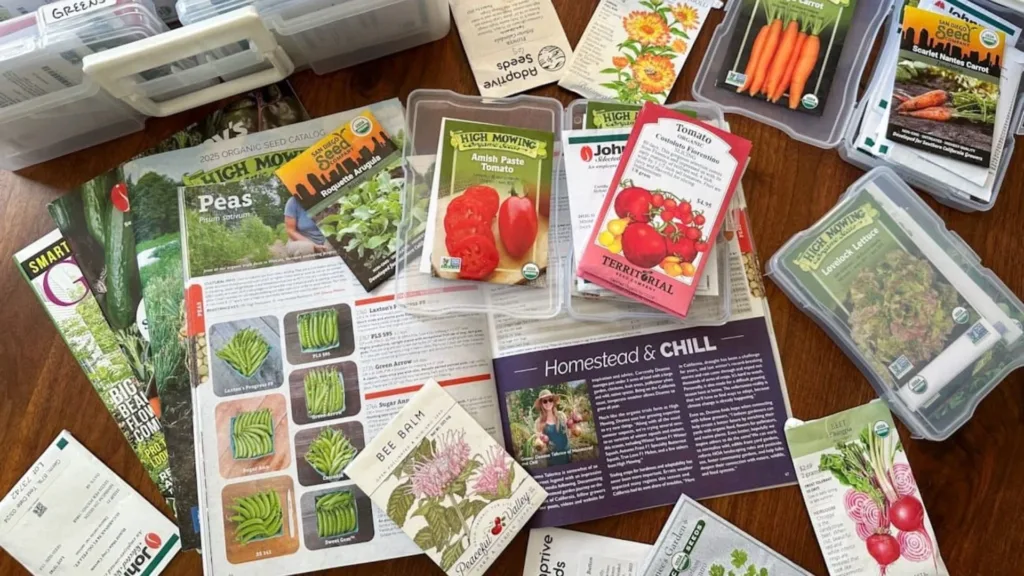
Buy Certified Seeds, Vegetable Seeds & Fodder Seeds
Table of Contents
Choosing the right seed is one of the most important decisions a farmer makes before starting a new crop. High-quality seeds can help farmers begin with better genetic purity, reliable germination and varieties suited to their growing conditions. In Pakistan, certified seed production and quality control are supported through formal seed certification and regulatory systems.
At fazalagrimall, farmers can explore a wide range of crop seeds, vegetable seeds and fodder seeds for different farming requirements. Whether you are preparing land for wheat, maize, vegetables or livestock fodder, selecting quality seed is an important first step toward a healthy crop.
Why Choose Certified Seeds?
Certified seeds are produced and handled under defined quality standards designed to maintain varietal identity and seed quality. Important seed-quality factors include genetic purity, physical purity, germination, vigour and seed health.
Using quality seed can provide several advantages:
- Better and more uniform crop establishment
- Reliable germination potential
- Improved varietal consistency
- Reduced risk of unwanted crop mixtures
- Better planning for the growing season
- A stronger starting point for crop management
Farmers should always check the seed label, variety, lot information, recommended sowing period and applicable certification details before purchasing.
Explore Quality Crop Seeds
Crop farming requires seeds that match the crop, climate, soil and sowing season. Common field crops include wheat, maize, rice, cotton, pulses and oilseed crops. Agricultural research institutions in Punjab provide seed varieties across many of these crop groups.
When buying crop seeds, consider:
- Crop variety – Select a variety appropriate for your farming purpose.
- Sowing season – Use seed suitable for the recommended planting window.
- Soil conditions – Consider soil type and fertility.
- Water availability – Choose varieties according to irrigation conditions.
- Seed quality – Check packaging and certification information carefully.
The right combination of seed and crop management can help farmers make better use of their land and available resources.
Buy Fresh Vegetable Seeds for Your Garden or Farm
Vegetable farming depends heavily on selecting suitable, healthy seed. Farmers and growers can choose from vegetable crops such as tomato, onion, potato, chilli, peas, okra, carrot, radish, spinach, turnip, bitter gourd, bottle gourd and more. These crops are among those supported through agricultural research and seed development programs in Punjab.
When purchasing vegetable seeds, look for:
- Suitable vegetable varieties
- Good germination potential
- Properly sealed packaging
- Clear variety information
- Appropriate sowing season
- Correct storage and handling
For commercial growers, selecting the right variety is especially important because crop uniformity and market demand can affect the overall farming operation.
Fodder Seeds for Livestock Farming
Good-quality fodder is an important part of livestock management. Farmers can select fodder seeds according to livestock requirements, climate, soil and growing season.
Common fodder crops include:
- Berseem
- Lucerne
- Oats
- Sorghum
- Pearl millet
- Maize
- Cowpeas
- Guar
- Sudan grass
Punjab’s agricultural research system specifically lists several of these crops through its Fodder Research Institute, including berseem, lucerne, oats, sorghum, pearl millet, maize, cowpeas, guar and Sudan grass.
Choosing suitable fodder seed can help farmers establish a productive fodder crop and maintain a more consistent feed supply for livestock.
How to Choose the Right Certified Seeds
Before buying certified seeds, farmers should avoid choosing only on price. Compare the seed variety, certification or quality information, germination details, pack size, sowing recommendations and suitability for your area.
A good seed-buying checklist includes:
Check the variety: Make sure it matches your crop and farming objective.
Check the packaging: Look for clear labeling and relevant seed information.
Check the sowing season: Different crops and varieties have different planting windows.
Check storage conditions: Seeds should be stored appropriately to help preserve their quality.
Buy from a reliable source: A trustworthy seller can provide better information about seed variety and availability.
Why Seed Quality Matters for Farmers
Seed is the foundation of crop production. Poor-quality seed can lead to weak establishment, uneven growth and wasted land, time and farming inputs. Seed-quality research identifies germination, genetic purity, physical purity, vigour and seed health as important quality parameters.
This is why farmers should consider quality before making a purchase.We provide an important quality assurance framework, but successful farming still depends on appropriate soil preparation, irrigation, nutrition, pest management, weather conditions and other crop-management practices.
Buy Crop, Vegetable & Fodder Seeds from FazalAgriMall
At fazalagrimall, our goal is to make it easier for farmers and growers to find seeds for different agricultural needs. From crop seeds and vegetable seeds to fodder seeds, selecting the right product can help you start your farming season with greater confidence.
Before ordering, identify your crop, growing area, sowing season and required quantity. Then select the seed variety that best matches your farming requirements.
Frequently Asked Questions
1. What are certified seeds?
Certified seeds are seeds produced and handled according to defined certification standards intended to maintain varietal identity and quality. In Pakistan, seed certification is part of the country’s regulated seed system.
2. Why should farmers buy certified seeds?
Certified seeds provide a more controlled starting point because quality factors such as varietal identity, purity and germination are addressed through established standards and procedures.
3. What types of crop seeds are available?
Crop seed categories can include wheat, maize, rice, cotton, pulses, oilseeds and other agricultural crops. Availability depends on the season and supplier.
4. Which vegetable seeds can farmers buy?
Vegetable seed options may include tomato, onion, chilli, peas, okra, carrot, radish, spinach, turnip, gourds and other vegetables.
5. What are common fodder seeds?
Common fodder seed options include berseem, lucerne, oats, sorghum, pearl millet, maize, cowpeas, guar and Sudan grass.
6. What should I check before buying seeds?
Check the crop and variety, seed packaging, certification or quality information, germination details, sowing season, recommended growing conditions and required quantity before purchasing.
Final Thought
A successful crop starts with the right foundation. Choosing suitable certified seeds, following recommended sowing practices and managing crops properly can give farmers a stronger starting point for the growing season. Whether you need crop seeds, vegetable seeds or fodder seeds, fazalagrimall can help you explore seed options for your farming needs.
Ready to choose the right seeds for your farm? Explore FazalAgriMall and find the seed varieties that match your crop and growing requirements.


Pingback: Best Certified Crop Seeds Guide for Better Farm | fazalagrimall
Pingback: Quality Vegetable Seeds for Better Harvests | FazalAgriMall