
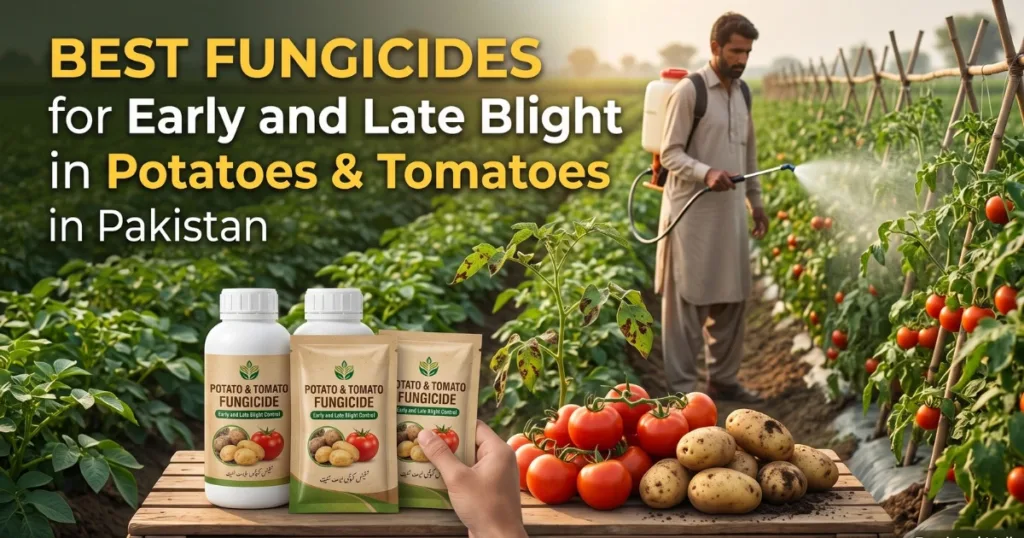
Best Fungicides for Early and Late Blight in Potatoes and Tomatoes in Pakistan
Table of Contents
Potato and tomato crops are important sources of income for farmers across Pakistan. However, fungal and fungus-like diseases such as early blight and late blight can damage leaves, stems and fruits, reducing crop quality and yield. Choosing the best fungicides for early and late blight in potatoes and tomatoes in Pakistan is essential for protecting healthy plants and managing disease before it spreads.
In this guide, we explain how to identify early and late blight, which fungicide active ingredients can help control these diseases, when to apply them and how Pakistani farmers can protect their crops through effective disease management.
Understanding Early Blight and Late Blight
Although early blight and late blight can look similar at first, they are caused by different pathogens and may require different management strategies.
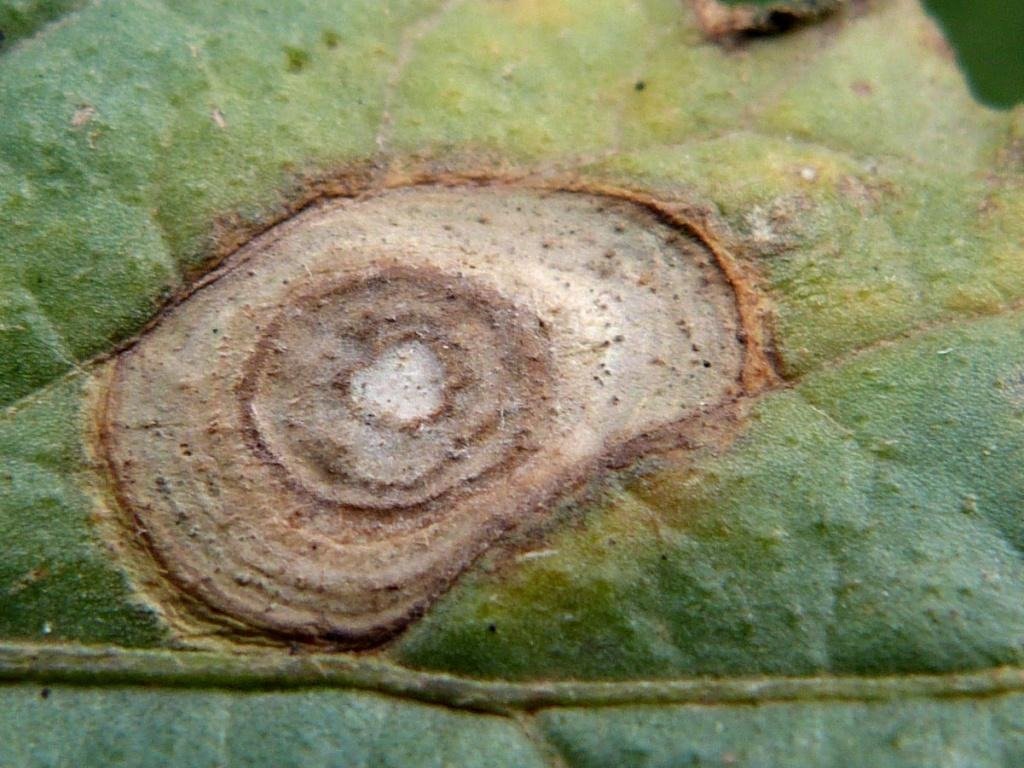
Early blight
Usually caused by Alternaria solani. Look for brown spots with concentric rings, often surrounded by yellowing tissue on older leaves.
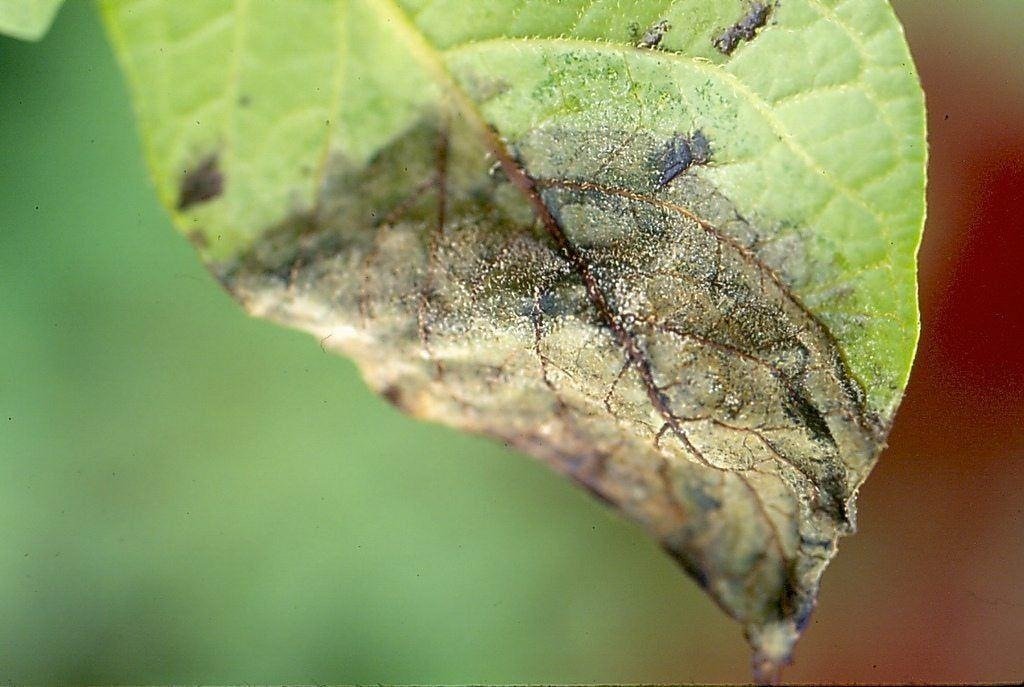
Late blight
Caused by Phytophthora infestans, an oomycete rather than a true fungus. It can spread rapidly in cool, humid, wet conditions and cause dark, water-soaked lesions.
Why do these diseases spread?
Common risk factors include:
- High humidity and prolonged leaf wetness.
- Rainfall, fog and overhead irrigation.
- Poor air circulation between plants.
- Infected crop residues and volunteer potato plants.
- Repeated use of the same fungicide mode of action.
- Delayed disease detection and unsuitable spray timing.
Identifying the disease correctly helps farmers choose the right treatment rather than spending money on a product that may not control the problem.
Best Fungicides for Early and Late Blight in Pakistan
Selecting a fungicide depends on the disease, crop growth stage, weather conditions and the product’s approved label. The following active ingredients are mentioned in agricultural disease-management guidance, including recommendations from Punjab’s Agriculture Department.
1. Fungicides for early blight
Early blight often develops during warm weather, particularly when plants are stressed or foliage remains wet for extended periods.
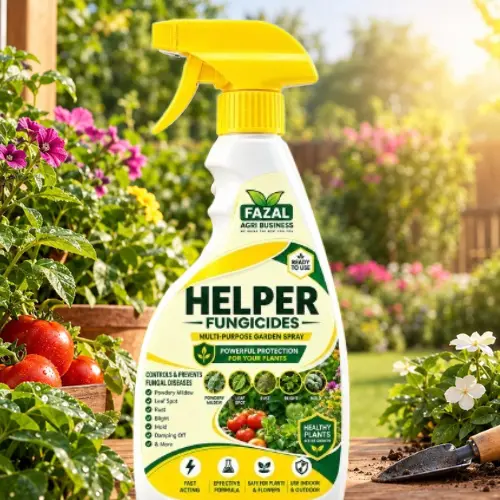
A contact, protectant fungicide used in disease-management programs for susceptible crops. It helps protect healthy foliage when applied at the correct time and according to the label.
2. Fungicides for late blight
Late blight can spread very quickly during cool, humid weather, especially when fog, rain and prolonged leaf wetness occur. Preventive protection and timely disease identification are particularly important.
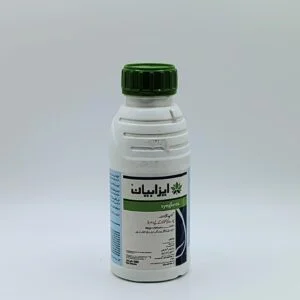
A combination used for late blight management in potatoes and tomatoes where registered. Metalaxyl resistance can occur, so avoid underdosing and repeated reliance on the same mode of action.
A targeted option for oomycete diseases such as late blight. Use only a formulation registered for the crop and disease, following its label and resistance-management instructions.
Certain formulations are used in late blight management, often combined with a protectant ingredient. Check the approved formulation and restrictions before applying.
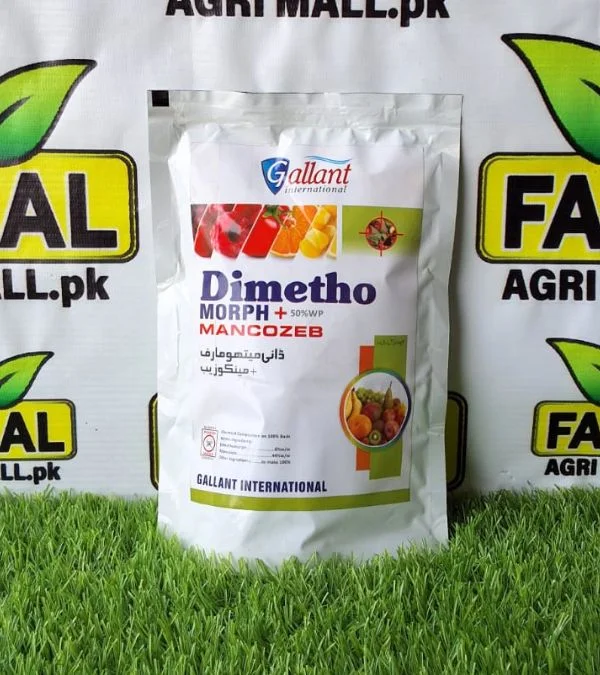
A protectant fungicide included in potato disease-management recommendations. It is primarily useful as part of a preventive program, where the product is approved.
Punjab Agriculture Department and Punjab Agricultural University guidance describe protectant fungicides for preventive use and other registered options for higher late-blight risk. Recommendations and registrations can vary by product, crop and region.
Early Blight vs. Late Blight: Which Treatment Should You Choose?
| Factor | Early blight | Late blight |
| Main pathogen | Alternaria solani | Phytophthora infestans |
| Typical symptoms | Brown, ring-shaped spots | Dark, water-soaked lesions |
| Common risk conditions | Warm weather and plant stress | Cool, humid, wet weather |
| Fungicide examples | Mancozeb; registered azoxystrobin combinations | Registered metalaxyl combinations, mandipropamid or other locally approved options |
| Main priority | Protect foliage and manage existing disease | Prevent rapid spread and respond promptly to infection risk |
A fungicide that works against early blight may not control late blight effectively. Correct diagnosis is therefore essential before spraying.
How to Apply Fungicides Effectively in Pakistan
Follow these practical steps to improve crop protection and avoid unnecessary chemical use.
- Inspect crops regularly. Check lower leaves and areas with poor air circulation for spots, yellowing or dark lesions.
- Monitor weather conditions. Fog, rain and persistent humidity increase late-blight risk, while warm conditions can favor early blight.
- Apply preventive treatments when appropriate. Protectant fungicides work best when used according to the label before disease becomes established.
- Ensure even spray coverage. Cover the relevant foliage thoroughly without exceeding the label rate.
- Rotate fungicide modes of action. Follow resistance-management guidance and avoid repeatedly using the same single-site active ingredient.
- Remove infected material where practical. Dispose of diseased plant material appropriately and remove volunteer potato plants that may maintain infection.
- Use healthy seed and suitable varieties. Healthy planting material and varieties with improved disease resistance can reduce disease pressure.
Punjab’s potato disease guidance emphasizes healthy seed, removal of infected material, appropriate fungicide timing and good foliage coverage.
Important pesticide safety tips
- Always follow the registered product label and local agricultural advice.
- Wear the recommended protective clothing and equipment.
- Observe the pre-harvest interval before picking tomatoes or harvesting potatoes.
- Follow restrictions on maximum applications, re-entry, mixing and disposal.
- Do not assume a product registered for potatoes is automatically approved for tomatoes.
- Consult a qualified agricultural extension officer if the disease is spreading rapidly or its identity is uncertain.
Note: Product registrations, permitted crops and recommended rates can change. Confirm the latest Pakistani label before use rather than relying on a general online dosage.
Frequently Asked Questions (FAQs)
1. What is the best fungicide for early blight in potatoes in Pakistan?
Mancozeb and certain registered combinations containing azoxystrobin, difenoconazole, pyraclostrobin or tebuconazole are among the options listed in disease-management guidance. The best choice depends on the crop label, disease severity and resistance-management requirements.
2. Which fungicide is used for late blight in tomatoes?
Registered products containing metalaxyl with mancozeb, mandipropamid or other approved late-blight active ingredients may be suitable. Confirm that the exact formulation is registered for tomatoes in Pakistan.
3. Can the same fungicide control early and late blight?
Not necessarily. Early blight is caused by a true fungus, whereas late blight is caused by an oomycete. Their sensitivity to fungicides differs, so treatment should be selected for the correctly identified disease.
4. When should farmers spray for potato late blight?
Farmers should monitor weather and crop conditions closely and begin preventive protection when disease risk warrants it, following local agricultural advisories and product labels. Do not wait for severe disease outbreaks before seeking advice.
5. How can farmers prevent blight without relying only on fungicides?
Use healthy seed, suitable varieties, good field drainage, adequate plant spacing, careful irrigation, crop-residue management and regular crop inspection. Integrating these practices with responsible fungicide use can improve disease management.
6. Are fungicides safe to use on tomatoes close to harvest?
They are safe only when used according to the registered label, including its pre-harvest interval and other restrictions. Never harvest for consumption or sale before the required interval has passed.
Final Thought
Choosing the best fungicides for early and late blight in potatoes and tomatoes in Pakistan starts with accurate disease identification, suitable product selection and timely application. Mancozeb and certain registered combinations can help manage early blight, while metalaxyl-based combinations and other approved oomycete-targeting products may be useful against late blight.
However, no fungicide can guarantee complete disease control. Combining responsible chemical use with healthy planting material, crop monitoring, sanitation and weather-based management gives farmers a stronger approach to protecting their harvest.
At fazalagrimall, our goal is to help Pakistani farmers make informed decisions about crop protection, agricultural inputs and productive farming practices. Explore reliable agricultural information and choose crop-care products suited to your farming needs.
Need help choosing the right fungicide for your potato or tomato crop? Contact Fazal Agri Mall today for reliable agricultural products and expert guidance to protect your crops and achieve healthier harvests.
No Comments